If you only know Whitefish as a winter destination, you are missing the rhythm that shapes everyday life for the people who live here year-round. Once ski season winds down, the town does not go quiet. It shifts into a different pace built around trails, the lake, downtown events, and a steady pattern of local routines. If you are thinking about moving to Whitefish, understanding that daily lifestyle can help you decide whether it fits the way you want to live. Let’s take a closer look.
Whitefish Is More Than a Ski Town
Whitefish is best understood as a mountain-and-lake community with a ski resort nearby, not a place defined only by winter. The City of Whitefish describes it as a family-oriented resort town with railroad and logging roots, and that history still shapes the character of the community today. Downtown remains the center of civic life, with the historic core playing a major role in how the town looks and functions.
That matters if you are considering a move here. Instead of a town that feels seasonal or one-dimensional, Whitefish offers a lived-in setting where residents move between downtown, neighborhood streets, parks, trails, and the lake throughout the year. The result is a place that feels active well beyond the ski months.
Shoulder Seasons Shape Daily Life
One of the biggest surprises for newcomers is how important spring and fall are in Whitefish. City planning materials using NOAA climate normals show average highs climbing from the low 50s in April to the 60s in May, near 70 in June, around 80 in July and August, then back into the upper 60s by September. That gradual shift creates a long stretch of comfortable weather for outdoor time and community events.
In practical terms, everyday life changes with the season instead of stopping after winter. Spring brings walks, bike rides, and careful trail use as conditions dry out. Summer expands lake time, markets, and festivals. Fall often means more room to enjoy downtown and trails while still spending time outside.
Trails Are Part of the Routine
Whitefish has a strong walking and biking culture that supports both recreation and day-to-day movement. The city maintains miles of bicycle and pedestrian facilities, and the Whitefish Trail adds 47 miles of natural-surface, non-motorized trail across 15 trailheads. For many residents, that trail network is not just a weekend feature. It becomes part of regular life.
You might start your morning with a quick trail loop, take an evening walk, or use local bike and pedestrian routes to connect different parts of town. The trail system is used year-round, though spring comes with an important local habit: avoiding muddy conditions to help protect the trails. That kind of shared etiquette says a lot about how residents engage with the landscape.
Spring Has Its Own Pace
Spring in Whitefish is not simply the gap between winter and summer. It has its own rhythm. As snow melts and temperatures rise, people begin returning to trails, parks, and downtown patios, but they do it with some patience because conditions can still change quickly.
That season often feels more local and less hurried. If you like the idea of living somewhere that follows the natural calendar, Whitefish delivers that in a very visible way.
Lake Life Is Part of Everyday Living
Whitefish Lake is not just a scenic backdrop. It is woven into daily recreation once the weather warms up. City Beach offers a public swimming area, boat launch, concession stand, and paddleboard and kayak rentals, making it easy to spend an hour or a full afternoon by the water.
Other nearby options add to that lifestyle. Les Mason State Park on the east shore of Whitefish Lake includes shoreline access for boating, lake fishing, paddleboarding, picnicking, and swimming. Whitefish Lake State Park also offers rental equipment such as paddleboards, kayaks, and pedal boats.
For buyers, this is where lifestyle and property decisions start to connect. Some people want to live close enough to make the lake part of their weekly routine. Others may want waterfront property, which comes with a more specific ownership experience.
Waterfront Ownership Comes With Responsibilities
Whitefish’s lakeshore rules make it clear that waterfront living includes stewardship expectations. The city regulates work near the shore to help protect the lake’s character. That means lakefront ownership here is not simply about views or access. It also involves understanding local permitting and environmental considerations.
If you are comparing different property types in Whitefish, that is an important distinction. A waterfront home may offer a unique lifestyle, but it also asks more of you as an owner.
Downtown Stays Active After Winter
Downtown Whitefish plays a major role in everyday life, especially outside ski season. The city’s plans emphasize a pedestrian-friendly downtown core that preserves mountain views while concentrating cafes, boutiques, nightlife, civic uses, and mixed-use living. That gives the center of town a practical role, not just a visitor appeal.
For residents, downtown can be part of a normal week. You might walk to coffee, spend a Tuesday evening at Depot Park, or stop by an event after work. Because the downtown core and Railway District are linked by the Baker Avenue underpass, the area feels more connected and easier to move through on foot.
Events Keep the Town Social
Whitefish has a recurring event rhythm that helps the community stay active from late spring through early fall. The Whitefish Downtown Farmers Market takes place on Tuesday evenings at Depot Park. Gallery Nights are held on the first Thursday of each month from May through October, and Huckleberry Days arrives each August.
The city and chamber calendars also show ongoing live music, civic programming, and community gatherings. If you are wondering whether Whitefish feels lively after the snow melts, these events are part of the answer. Activity here is not limited to one season.
History and Culture Still Show Up
Whitefish does not feel like a newly built resort town because its history remains visible. The historic downtown core, railway roots, and preserved depot all contribute to that sense of continuity. The Stumptown Historical Society has preserved the Whitefish Railway Depot since 1990, and the depot now houses the museum and the society’s offices.
That historical layer affects everyday atmosphere in subtle ways. It gives downtown more texture and helps the town feel grounded. For many buyers, that mix of scenic beauty and historic identity makes Whitefish more appealing than a place built only around recreation.
Getting Around Can Be Easier Than Expected
If you live in or near the downtown core, Whitefish may feel less car-dependent than you might assume. The Depot Transit Hub serves the S.N.O.W. bus, Eagle Transit, Greyhound, and hotel shuttles. Combined with bicycle and pedestrian facilities, that creates more flexibility for local movement.
This does not mean every part of Whitefish functions the same way. But if walkability matters to you, especially for errands or social outings, your housing location can have a big impact on your day-to-day experience.
Housing Types Reflect Different Lifestyles
Whitefish’s housing stock is more varied than many visitors expect. According to the city’s 2026 housing inventory, the community had about 5,700 residential units, including single-family detached homes, multifamily units, townhouses, duplexes, deed-restricted units, resort residential units, and mixed-use housing. The same city materials state that about 70% of units are occupied by full-time residents, while 30% are seasonal or short-term rentals.
That range of housing types helps explain why Whitefish feels lived-in year-round. It supports more than one kind of buyer and more than one kind of routine. Your ideal fit depends less on a general idea of Whitefish and more on how you want to live once you are here.
In-Town Living
If you want walkability and easier access to downtown, in-town homes, condos, apartments, and townhomes may be the most practical fit. The downtown plan specifically makes room for townhomes, apartments, and condominiums in the core. That supports buyers who want a lower-maintenance lifestyle with shops, parks, and events nearby.
Lake-Oriented Living
If your priority is water access or waterfront ownership, you may be drawn to homes near Whitefish Lake. This lifestyle can offer close connection to boating, paddling, and shoreline recreation, but it also comes with lakeshore rules and ownership responsibilities.
Hillside And View Homes
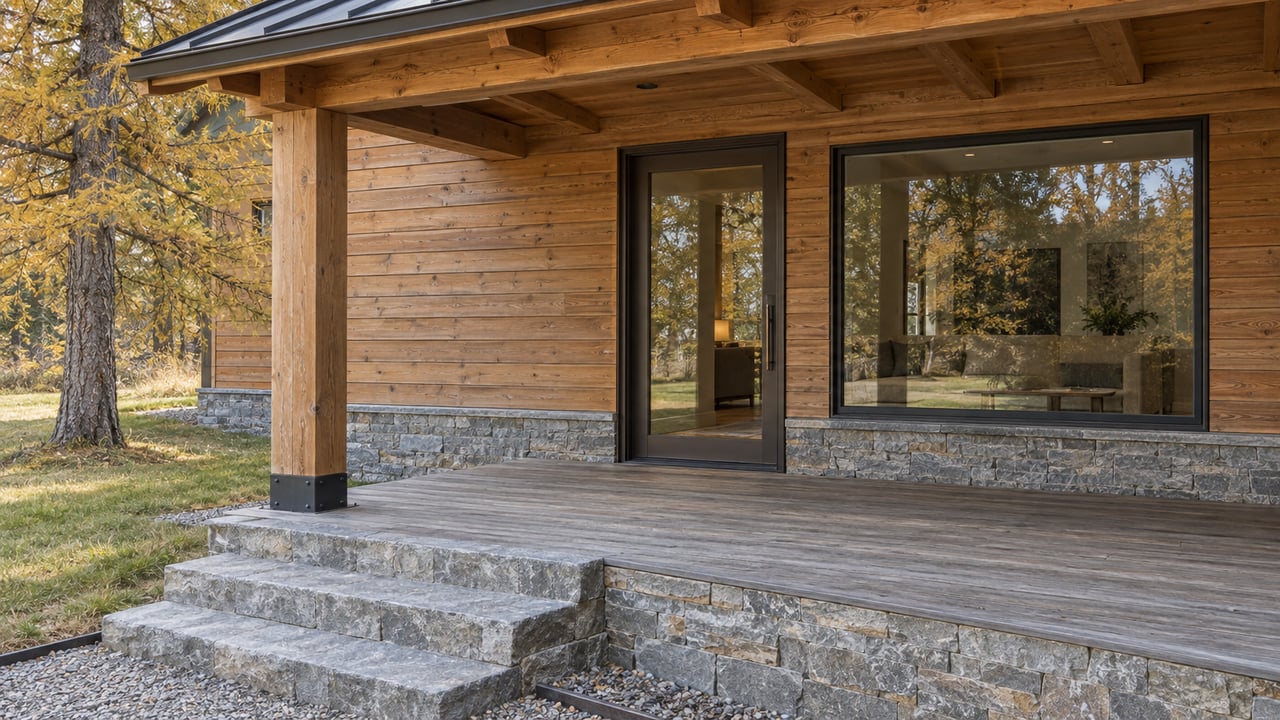
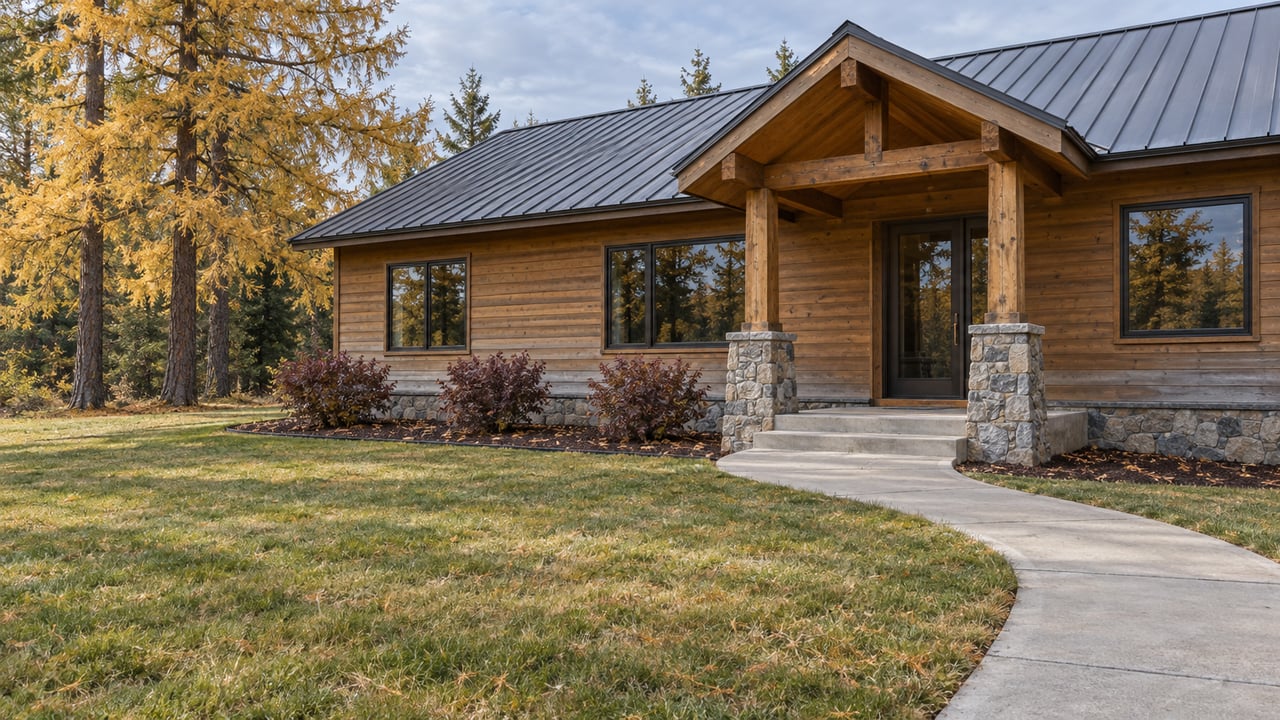
Whitefish also includes homes built among trees, on steep terrain, or on hilltops to capture views, as noted in the city’s wildfire guidance. These properties can offer privacy and scenery, but they often come with a different kind of maintenance and site awareness than in-town living.
What Everyday Life Really Feels Like
Outside ski season, Whitefish feels like a town of shifting routines rather than sharp seasonal extremes. You may spend spring watching trail conditions, summer evenings at the farmers market, and fall afternoons downtown or by the lake. The setting is scenic, but the lifestyle is grounded in repeatable habits and local spaces.
That is often what people are really asking when they want to know what Whitefish is like. Not just what you can do on vacation, but how it feels to build a normal week here. In Whitefish, that week can include walkable downtown moments, access to trails and water, and housing choices that support very different versions of mountain-town living.
If you are exploring Whitefish as a place to buy, sell, downsize, relocate, or invest, working with a local team can help you match the lifestyle you want with the right property type and location. Connect with All Montana Real Estate for practical guidance across Whitefish and the greater Flathead Valley.
FAQs
What is everyday life in Whitefish like after ski season?
- Everyday life in Whitefish shifts toward trails, lake access, downtown events, parks, and community routines rather than slowing down after winter.
Does downtown Whitefish stay active in spring and summer?
- Yes. Downtown Whitefish remains active with cafes, boutiques, civic spaces, the Tuesday farmers market at Depot Park, Gallery Nights from May through October, and seasonal events like Huckleberry Days.
Are trails a big part of living in Whitefish?
- Yes. Whitefish has miles of bicycle and pedestrian facilities plus the 47-mile Whitefish Trail system, which many residents use throughout the year for walking, biking, and outdoor recreation.
What types of homes can you find in Whitefish, Montana?
- Whitefish includes single-family homes, townhouses, multifamily housing, duplexes, mixed-use residences, resort residential units, and properties oriented around downtown, the lake, or hillside views.
Is Whitefish Lake part of daily life for residents?
- For many residents, yes. City Beach, Les Mason State Park, Whitefish Lake State Park, and other access points make swimming, boating, paddling, and shoreline time part of regular warm-weather living.
Is Whitefish a good fit if you want walkability?
- It can be, especially if you live in or near the downtown core, where pedestrian connections, local services, and transit options support a more walkable lifestyle.