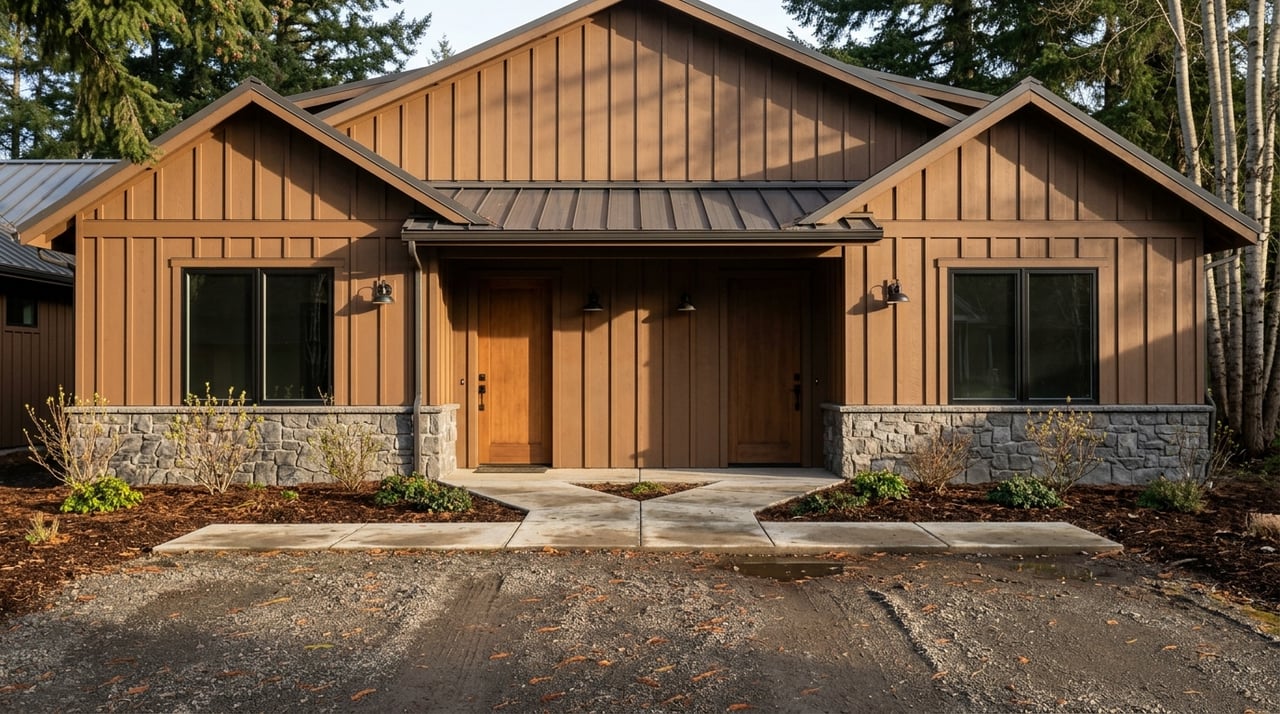
If you are thinking about buying investment property in Whitefish, it is easy to focus on nightly rates or listing photos first. But in this market, your return can depend just as much on zoning, rental rules, tax treatment, and seasonal demand as it does on the home itself. A clear plan up front can help you avoid costly surprises and choose a property that truly fits your goals. Let’s dive in.
Why Whitefish investing is different
Whitefish is a tourism-driven mountain market, and that shapes how investment property performs. The City of Whitefish notes that peak tourist season runs from June through September, with July and August as the strongest months, and those four months account for 69% of annual lodging sales.
That kind of seasonality matters when you are estimating income and expenses. You may see strong summer demand, but you should also expect more variation during shoulder seasons and more weather-related planning in the off-season. Glacier National Park also reports its busiest period is May through September, which supports the broader seasonal demand pattern in the area.
The city’s 2025 housing needs assessment also estimated about 3,900 seasonal residents, with 19% to 32% of housing inventory considered vacant in recent years and serving seasonal demand. In simple terms, Whitefish has a meaningful share of homes tied to part-time or visitor use. That makes your intended use a major part of the buying decision.
Choose your rental strategy early
One of the biggest mistakes investors can make in Whitefish is shopping for property before deciding how they want to use it. A short-term vacation rental and a long-term rental can look similar on paper, but they follow very different rules.
Your strategy affects more than income projections. It can also affect zoning eligibility, inspections, management needs, monthly tax filings, and property-tax classification. Before you make an offer, it helps to decide whether you are buying for:
- A short-term vacation rental
- A long-term residential rental
- A property you may convert later
- A mixed personal-use and rental scenario
That choice should guide your search from day one.
Understand Whitefish short-term rental rules
In Whitefish, a short-term rental is defined as an entire furnished house, townhouse, condominium unit, apartment, or part of a dwelling unit rented for less than 30 days. That means a property is not automatically a good vacation rental just because it is attractive to visitors.
The city requires short-term rentals to meet specific standards. Whitefish also limits short-term rentals to certain zoning districts, so parcel-level zoning is one of the first things to verify before moving forward.
Key short-term rental requirements
If you plan to operate a vacation rental in Whitefish, the city requires:
- A short-term rental permit
- Business registration
- An annual fire-life-safety inspection
- A $400 annual fee
- Monthly resort-tax remittance, even if gross sales are zero
- A local contact if the owner is not a full-time resident
- Posting the registration number in the listing
- Off-street parking
- Compliance with zoning density limits
- Proof of a state public accommodation license for a tourist home
- Verification that the property meets state bed-tax requirements
These are not minor details. They are part of the operating model, and they can affect whether a property is practical to own as a vacation rental.
Long-term rentals follow a different model
Long-term rentals can offer a very different ownership experience. Montana’s lodging facility sales and use tax does not apply to units rented for 30 continuous days or more to the same purchaser.
There may also be a property-tax advantage if the property qualifies as a long-term rental under Montana’s 2026 guidance. The reduced-rate classification applies when the dwelling is rented for at least 28 days for at least seven months of the year to a tenant who uses it as a residence.
Under that guidance, qualifying long-term rentals are taxed at 1.10% in the relevant residential classification, while second homes and short-term rentals are taxed at 1.90%. That difference can materially affect your annual carrying costs.
Why classification matters
A property can move between tax categories based on how it is actually used. The Montana Department of Revenue says that changing a rental to a short-term lease, or otherwise changing the lease terms so the property no longer qualifies, can cause the long-term reduced rate to be lost.
That is why it is smart to underwrite the property based on your real plan, not a best-case future scenario. If you are counting on long-term rental tax treatment, your lease structure and use pattern need to support it.
Review zoning before you review finishes
In Whitefish, zoning can matter more than updates or views when you are buying for income. A beautifully remodeled property is not a good investment fit if your intended use is not allowed.
Short-term rentals are limited to specific zoning districts in the city. Outside city limits, county zoning can also shape whether short-term rental housing is treated as a conditional use in some resort-residential districts. That means you should confirm allowed use early, before you spend time evaluating cosmetic features.
HOA and CC&R rules can be just as important
Public rules are only part of the picture. If you are buying a condo, townhome, or resort-area home, private association rules may be more restrictive than local zoning.
Before closing, review:
- Recorded CC&Rs
- HOA rental restrictions
- Parking rules
- Owner-occupancy limits
- Any approval requirements for leasing
A property may look viable from a city or county standpoint but still face private restrictions that limit your plan.
Local management is not optional
If you do not live in Whitefish full time, local management is a major part of the investment equation. Whitefish requires a local contact person for short-term rentals if the owner is not a full-time resident, and emergency contact information must be posted outside the front door.
In county-regulated areas, Flathead County requires the local contact or management company to be available 24 hours a day, seven days a week, and able to arrive within one hour in an emergency or problem. That standard makes local support a core operational need, not just a convenience.
What to ask before you buy
Before you commit to a property, think through who will handle:
- Guest communication or tenant needs
- Emergency response
- Cleaning turnover
- Snow and weather-related access issues
- Maintenance coordination
- Compliance reminders and inspection scheduling
In a seasonal mountain market, operations can affect your results as much as your purchase price does.
Check parking, sewer, and septic capacity
Site conditions can quietly shape what is possible with an investment property. In Whitefish and the surrounding county, parking and utility capacity are part of the due diligence process, especially for short-term rental use.
Flathead County says an existing home connected to city sewer or with a valid septic permit may apply for a vacation-rental license. But if you want to add a second dwelling, the property must first be approved for that use, and the septic system must be sized for it or supplemented by a separate system.
The county also says that if a public sewer line is readily available within 200 feet of the property line, connection may be required. For investors, that means sewer and septic questions should be part of underwriting, not an afterthought.
Plan for taxes and ownership structure before closing
Tax planning should start before you buy, not after. Rental income and expenses are generally reported on Schedule E, and deductible costs may include mortgage interest, real estate taxes, casualty losses, maintenance, utilities, insurance, and depreciation.
But mixed personal use can change how deductions work, and rental losses may be subject to passive-activity and at-risk rules. If you are buying a vacation home, mixed-use property, or anything that may change use over time, it is wise to talk with a tax professional before closing.
Ownership structure deserves early attention
How you hold title also matters. The IRS notes that business structure affects the tax return that must be filed, and common structures include sole proprietorships, partnerships, corporations, S corporations, and LLCs.
If you are considering an LLC, trust ownership, a partnership, or a 1031 exchange, those decisions are best made before the purchase is finalized. Whitefish investors often benefit from early conversations with both a CPA and an attorney so the ownership structure matches the investment strategy.
A practical buying checklist for Whitefish investors
Before you move forward on a Whitefish investment property, make sure you can answer these questions clearly:
- Is the property best suited for short-term or long-term rental use?
- Does zoning allow your intended use?
- Are there HOA or CC&R restrictions that narrow your options?
- Does the property meet parking requirements?
- What inspections, permits, or registrations will be required?
- Will you need a local contact or property manager?
- Is sewer or septic capacity adequate for the use you want?
- How will the property likely be taxed based on actual use?
- Will your ownership structure support your tax and estate-planning goals?
The strongest investment purchase is usually not the one with the highest projected rent on paper. It is the one where the property, the rules, and your business plan all line up.
If you are weighing investment opportunities in Whitefish, a local, strategy-first approach can help you sort through zoning, use options, and the practical details that matter most. The team at All Montana Real Estate can help you evaluate properties across Northwest Montana with clear guidance grounded in local market knowledge.
FAQs
What should you know about Whitefish seasonal rental demand?
- Whitefish demand is highly seasonal, with peak tourist season running from June through September and those months generating most annual lodging activity, so income and occupancy may be more cyclical than in a year-round market.
What qualifies as a short-term rental in Whitefish?
- Whitefish defines a short-term rental as an entire furnished house, townhouse, condominium unit, apartment, or part of a dwelling unit rented for less than 30 days.
What permits are needed for a Whitefish short-term rental?
- A Whitefish short-term rental generally requires a short-term rental permit, business registration, annual fire-life-safety inspection, annual fee, and compliance with local posting, parking, zoning, and tax-remittance requirements.
How are long-term rentals taxed differently in Montana?
- Montana’s 2026 guidance says qualifying long-term rentals may receive a 1.10% tax rate in the relevant residential classification, while second homes and short-term rentals are at 1.90%, if the long-term use requirements are met.
Why should you review HOA rules before buying in Whitefish?
- HOA rules, CC&Rs, parking rules, and occupancy limits can restrict rentals even when public zoning would otherwise allow your intended use.
Why does local property management matter for Whitefish rentals?
- Whitefish and Flathead County rules require local responsiveness for short-term rentals, so owners who do not live nearby usually need a dependable local contact or manager to handle emergencies and day-to-day operations.
What utility issues matter when buying rental property in Flathead County?
- Sewer availability, septic permitting, and system capacity can affect whether a property can be licensed or expanded for vacation-rental use, so those items should be checked early in due diligence.