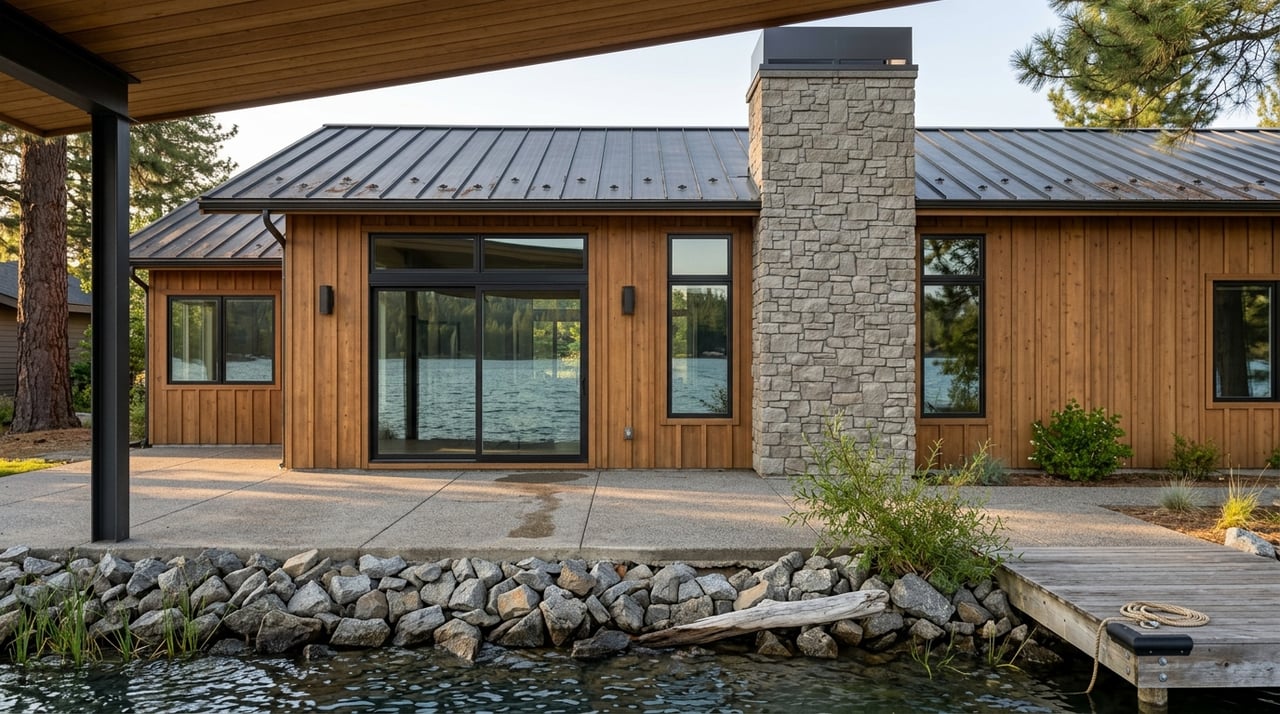
Dreaming about waking up to Flathead Lake views in Polson? Lakefront living can be incredible, but it comes with details that matter far more than a standard home search. If you are thinking about buying on or near the water, this guide will help you understand what to look for, what questions to ask, and how to make a smart decision with fewer surprises. Let’s dive in.
Why Polson Lakefront Living Stands Out
Polson sits on the southern shore of Flathead Lake and serves as the seat of Lake County. It is a place where your home search is shaped by both the lake itself and the rules that come with shoreline ownership.
Flathead Lake is massive, with more than 200 square miles of water and 185 miles of shoreline. That size creates real variety in property types, views, access, and seasonal use, so two homes both labeled “waterfront” can offer very different ownership experiences.
Polson also has a true seasonal rhythm. The city reports an average July maximum of 82.2 degrees and a January minimum of 19.4 degrees, with annual precipitation of 15.32 inches, which helps explain why many buyers think about both summer recreation and winter maintenance when choosing a lake property.
Understand the Main Waterfront Property Types
One of the biggest mistakes buyers make is assuming every lake-oriented listing offers the same benefits. In Polson, the most important first step is understanding exactly what kind of property you are buying.
Direct lakefront
A direct lakefront property typically includes frontage on the water itself. These homes or lots may offer the most immediate access, but value often depends on more than just touching the shoreline.
Frontage width, shoreline usability, slope, and existing improvements can all affect how enjoyable the property is. A parcel with limited usable shoreline may function very differently from one with easier access to the water.
Deeded or shared access
Some properties are not directly on the lake but include deeded or shared access. Research on Flathead Lake found that deeded access added about 30% in value compared with similar homes without it, which shows how meaningful access rights can be.
That said, access should be reviewed carefully. You will want to know where the access is located, what rights are included, and whether there are any shared-use rules or limits.
Lake-view properties
Not every great Polson property needs to sit on the water. The Flathead Lake study found that homes farther from the lake can still benefit from elevation and views, which means a well-positioned view home may compete strongly with a closer property that has weaker sightlines.
If your priority is scenery more than shoreline use, a view property may give you a better overall fit. In some cases, it can also reduce the maintenance and permitting issues that often come with direct frontage.
Buildable waterfront lots
Vacant shoreline parcels can be appealing if you want to create something tailored to your needs. Still, a buildable lot should never be judged by scenery alone.
Before you move forward, you should understand access, slope, utility options, shoreline rules, and what can realistically be built near the water. A beautiful lot does not always equal a simple building process.
What Really Drives Value in Polson
Lakefront pricing in Polson is shaped by more than square footage and bedroom count. On Flathead Lake, proximity to the water creates a meaningful premium, with lakefront homes selling for 114% more on average than comparable homes located 2 kilometers or more from the lake.
That premium helps explain why details matter so much. The same study found that shoreline length also added value, so width of frontage and usable shoreline can influence both enjoyment and long-term market appeal.
In practical terms, you should read listings with a sharper eye. Instead of focusing only on interior finishes, pay attention to frontage, access rights, slope, view corridor, and how the shoreline actually functions.
Shoreline Rules You Need to Know
In Polson, buying by the lake also means buying into a layered approval environment. Lake County defines the lakeshore as land within 20 horizontal feet of the lake at mean annual high-water elevation, and its Lakeshore Protection Regulations govern work that alters a lake, lakebed, or lakeshore.
Just as important, Lake County states that its permit does not replace other required state, tribal, or federal permits. Because Polson is within the Flathead Indian Reservation and parcel-level jurisdiction can vary, it is important to confirm which agencies regulate the exact property you are considering.
Projects that may trigger review
Many buyers assume they can make changes to the shoreline after closing without much trouble. In reality, several common improvements may require review.
These can include:
- Docks
- Boat lifts
- Boathouses
- Breakwaters
- Erosion-control work
- Dredging
- Fill
- Utility work
If your purchase decision depends on adding, replacing, or repairing one of these features, that conversation should happen early.
Dock and shoreline limitations
Lake County rules say docks may not exceed 100 feet from the shoreline. They also must use open, flow-through construction within 20 feet of shore.
The county also places responsibility on the applicant to confirm that a project sits within the property’s riparian boundaries. That is one reason a survey or boundary review can be especially important when a dock, lift, or shoreline project is part of your plan.
Limits near the water
Some buyers picture adding a guest cabin, enclosed lakeside structure, or another living area closer to the water later on. That may not be allowed.
Lake County regulations prohibit new living quarters waterward of the shoreline or within the lakeshore protection zone. The county’s policy goals also include preserving scenic qualities of views from public roads and waters, so tree work, retaining walls, grading, and shoreline structures may be more limited than inland buyers expect.
Flathead Lake’s Seasonal Reality
A shoreline can look very different in July than it does in March. That is a big part of why buying lakefront in Polson requires a year-round mindset.
The CSKT recreation map notes that Flathead Lake supports boating, fishing, swimming, camping, and picnicking, but it also notes that some access sites close in winter. Some boat launches do not operate when the lake drops below 2,890 feet, and floating docks may be pulled in mid-December through January to prevent ice damage.
Energy Keepers reports that the lake can be at its lowest elevation in late March, may hold or slowly fill through April, and may be drafted to near 2,891 feet by late October to reduce wave-action erosion. That means a shoreline that feels ideal in midsummer may perform very differently during low water or in windy shoulder seasons.
What this means for buyers
Seasonal lake levels affect more than recreation. They can influence dock use, launch conditions, shoreline appearance, erosion patterns, and how easily you can access the water.
If possible, ask how the property behaves during low pool and during windy periods. A home that checks every box in summer photos may feel very different once the water drops or weather shifts.
Recreation and Tribal Permit Considerations
Flathead Lake offers a wide range of recreation, but buyers should understand local rules before assuming full access works the same everywhere. The south half of Flathead Lake lies within the Reservation, and non-members need a tribal recreation permit for use there.
That matters if your plans include boating or regular recreation in the southern portion of the lake. It is a simple detail to overlook during a home search, but it can shape how you use the lake after closing.
Your Due Diligence Checklist
A standard home inspection is important, but lakefront buying often calls for a broader team. The more your decision depends on shoreline features, water access, or future improvements, the more valuable specialized due diligence becomes.
Bring in the right professionals
Depending on the property, your team may include:
- A general home inspector
- A septic inspector if the property uses a private septic system
- A surveyor for riparian boundaries, access easements, or shoreline questions
- A shoreline consultant, civil engineer, or other licensed professional if you are planning erosion control or structural shoreline work
Lake County specifically notes that permit approval does not verify riparian boundaries. It also states that jetties and groins are only permitted as part of an erosion-control project designed by an engineer or other licensed professional.
Ask these questions before you offer
Before you make an offer on a Polson lake property, try to get clear answers to these points:
- Is the property direct lakefront, deeded access, shared access, or lake view only?
- Is the dock or boat lift permitted and compliant?
- Which agency regulates the shoreline on this exact parcel?
- Do low-water conditions affect access or usability?
- Are any structures in the lakeshore protection zone nonconforming or non-expandable?
- If you want to change the shoreline, what approvals may be required?
These questions can save you time, money, and frustration later.
Think Beyond the House Itself
The right lake property is not always the one with the biggest house or the closest water line. Sometimes the better fit is the one with clearer views, easier access, fewer improvement hurdles, or more predictable seasonal use.
That is especially true in Polson, where frontage, access rights, view quality, seasonal water levels, and permitting all play a role in value. A smart purchase starts with understanding how the property works, not just how it looks in listing photos.
If you are considering lakefront living in Polson, working with an advisor who understands waterfront property, land considerations, and Northwest Montana due diligence can make the process far more manageable. When you are ready for clear guidance and a calm, local approach, connect with All Montana Real Estate.
FAQs
What makes Polson lakefront homes different from standard homes?
- Polson lakefront homes are shaped by shoreline frontage, access rights, lake levels, seasonal use, and permit rules, not just square footage or finishes.
What should you verify before buying a waterfront property in Polson?
- You should confirm whether the property has direct frontage or shared access, whether docks or lifts are permitted, which agency regulates the shoreline, and how low-water conditions affect use.
Can you add a dock to any lakefront property in Polson?
- Not automatically. Dock work may require review, must follow Lake County rules, and should be checked against riparian boundaries and any other applicable approvals.
Do lake levels change how a Polson waterfront property functions?
- Yes. Flathead Lake levels change seasonally, which can affect shoreline appearance, dock access, boat launches, and how usable the water is at different times of year.
Are lake-view homes in Polson worth considering?
- Yes. Research shows that elevation and view can add meaningful value, so a well-situated lake-view property may compete well with a closer home that has less usable shoreline.
What professionals should you consider when buying lakefront in Polson?
- In addition to a home inspector, you may want a septic inspector, surveyor, or licensed shoreline professional depending on the property and your plans for access or improvements.